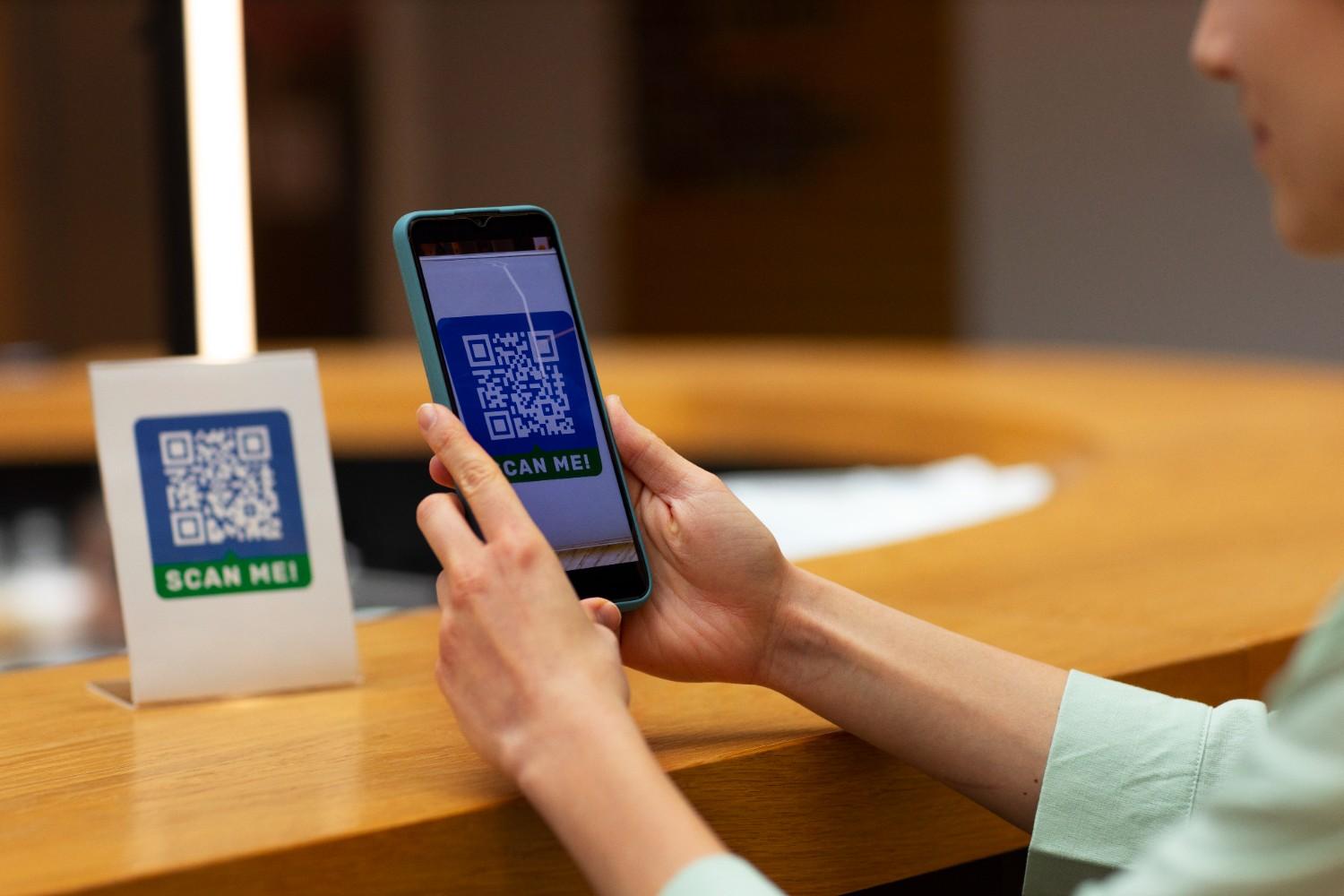
The first impression of an event is not the stage but the queue outside.
There’s a specific kind of silence that forms at large events when registration fails. People stop talking. Lines stop moving. Staff members begin looking stressed. Phones come out. Frustration spreads faster than announcements ever can. And oddly enough, attendees often remember this moment more vividly than the keynote itself. Because before audiences experience the event, they experience entry.
That’s why QR code-based event registration has become one of the most important shifts in modern event operations, not because it feels futuristic anymore, but because audiences now expect speed as a default behavior. At conferences, expos, concerts, corporate summits, and hybrid events, QR-powered registration systems are quietly replacing paper lists, manual verification, and traditional ticketing workflows. Not as a trend, rather as infrastructure.
The Real Problem QR Codes Solved Wasn’t Registration
It was friction. Large events have always struggled with the same operational bottlenecks: long queues, manual attendee verification, duplicate tickets, delayed check-ins, badge-printing chaos, and poor attendee flow. The larger the audience, the faster these issues compound.
Traditional registration systems were never built for the speed modern audiences expect. A few seconds lost per attendee quickly turns into hour-long congestion outside venues. QR-based registration changed that equation dramatically. Instead of searching names manually or validating physical tickets, attendees now scan a unique code linked directly to their registration profile. Entry becomes almost instantaneous. The difference seems small technically. Operationally, it changes everything.
Speed Is No Longer a Luxury at Events
It’s part of audience psychology. The faster attendees move through entry, the more positively they perceive the event itself. Research around QR-enabled check-ins increasingly highlights how scan-based systems reduce queues and improve crowd flow at scale.
Some platforms estimate QR scans reduce check-in time to just a few seconds per attendee compared to traditional manual processes. That matters enormously at corporate conferences, trade expos, sports events, music festivals, and hybrid summits. Because event energy is fragile. Once attendees begin waiting too long, momentum drops before the experience even begins. QR registration systems protect that momentum. And in large-scale events, momentum is operational currency.
QR Codes Quietly Changed Event Security Too
Most people associate QR codes with convenience. But their impact on security may actually be more significant. Each QR code is tied to a unique attendee identity, which helps reduce duplicate entries, fake tickets, unauthorized access, and manual verification errors.
Modern systems can validate attendee credentials instantly against centralized databases during scanning. For organizers managing VIP access, restricted sessions, or large public gatherings, this creates far stronger control than printed passes or static guest lists ever could.
And as events become more hybrid and globally accessible, secure digital identity management is becoming increasingly important. Because scaling audience access without scaling risk requires smarter systems, not simply more staff.
The Most Underrated Benefit Is Operational Calm
Good event technology doesn’t just improve attendee experience. It reduces backstage panic. QR-based registration automates many of the repetitive operational tasks that traditionally consumed event teams: check-in tracking, attendance validation, badge synchronization, session access management, and real-time attendee monitoring.
This allows teams to focus less on logistics and more on audience experience itself. Interestingly, many organizers discussing QR workflows online describe the biggest benefit not as “innovation,” but as predictability. Systems become easier to manage because attendee movement becomes measurable in real time. That predictability becomes incredibly valuable during high-volume events where operational pressure escalates quickly.
QR Codes Are Quietly Expanding Beyond Entry
Registration is only the beginning. Increasingly, QR systems are becoming integrated throughout the event ecosystem itself.
Attendees now use QR codes to:
- Access sessions
- Download materials
- Join networking activities
- Participate in polls
- Connect with exhibitors
- Share contact information
- Access hybrid-event content
With QR-powered networking, a single scan could trigger live engagement experiences across entire attendee groups instantly. This shift matters because modern events are becoming interaction-driven rather than schedule-driven. The registration layer is evolving into an engagement layer. And QR codes are becoming the connective tissue underneath that experience.
The Sustainability Argument Is Becoming Harder to Ignore
Large events generate enormous physical waste in the form of printed tickets, paper schedules, registration sheets, disposable badges, and temporary access passes. QR-based registration significantly reduces that dependency on physical materials by shifting access and communication digitally.
The environmental impact may seem secondary operationally. But for organizations increasingly prioritizing sustainable event practices, paperless registration systems are becoming part of broader ESG conversations around event management. Efficiency and sustainability are no longer separate discussions. Increasingly, they overlap.
Where MultiTV Fits into the Modern Event Ecosystem
As hybrid and large-scale events become more digitally connected, registration systems can no longer operate in isolation from the broader event experience. MultiTV supports this evolving ecosystem through integrated event technology and streaming solutions designed for virtual, physical, and hybrid event environments. This becomes particularly important when attendee journeys extend across registration systems, live streaming access, hybrid participation, audience engagement workflows, and real-time event experiences.
Disconnected systems create fragmented experiences. Integrated ecosystems create continuity. By supporting scalable event infrastructure and digital audience experiences, MultiTV helps organizations manage modern events more cohesively, from entry to engagement to live delivery itself. Because today, the event experience begins long before audiences enter the venue.
The Future of Event Registration Is Invisible
The most successful event technology rarely feels like technology. It feels effortless. QR registration systems are moving events closer to that invisible experience where entry happens instantly, access feels seamless, interaction flows naturally, and operational complexity disappears into the background completely. Eventually, audiences may stop thinking about registration entirely, which is probably the point! The best event systems don’t draw attention to themselves. They remove obstacles so the event itself becomes the focus again.
Read more:
Effective Event Registration Solutions for Large-Scale Events
10 Key Features Every Event Registration Platform Should Have in 2026
How Virtual Event Management Services Streamline Corporate Event Planning